Fascisterne: Meaning, History, Ideology, Impact & Modern Understanding
The term “Fascisterne” is the Danish word for “the fascists,” referring to individuals or groups connected to fascism. Fascism is a historical political ideology that gained global attention in the early 20th century and influenced major world events. Many people search for “fascisterne” to understand its meaning, historical background, beliefs, impact, and how the term is used today.
This article provides a neutral, educational, SEO-friendly explanation of fascisterne—its origins, ideology, development, influence, and the lessons society continues to learn from its history.
What Does “Fascisterne” Mean?
The word fascisterne translates to “the fascists” in English. It typically refers to:
- followers of fascist ideology
- members of fascist political groups
- individuals who support strong authoritarian leadership
The term is often used in historical, academic, or analytical contexts to discuss past political movements and their effects on society.
Origins of Fascism
Fascism emerged in Europe after World War I during a period of economic hardship, political instability, and social unrest. Many people at the time were searching for new solutions, and some turned to extreme ideologies.
Birth in Italy
The first organized fascist movement appeared under Benito Mussolini in Italy around 1919–1922. Mussolini promoted:
- a strong centralized government
- nationalism
- political unity under one leader
This movement served as a model for similar groups around Europe.
Spread to Other Countries
As economic crises deepened across Europe, fascist parties gained followers in countries like:
- Germany
- Spain
- Portugal
- Hungary
While each movement was unique, many shared similar ideological foundations.
Ideology Associated With Fascisterne
Fascism is defined by several core characteristics. Understanding these helps explain what the term “fascisterne” refers to.
1. Strong, Centralized Leadership
Fascist groups support one powerful leader who makes major political decisions.
2. Nationalism
They promote extreme national pride, sometimes at the expense of minorities.
3. Suppression of Opposition
Fascist governments limit freedom of speech, political diversity, and press freedom.
4. Militarism
They emphasize military strength and national defense.
5. Control Over Society
Fascist systems often control:
- media
- education
- public messaging
to maintain authority.
6. Anti-Democratic Views
Most fascist groups oppose democracy, preferring authoritarian structures.
Historical Impact of Fascisterne
Rise of Dictatorships
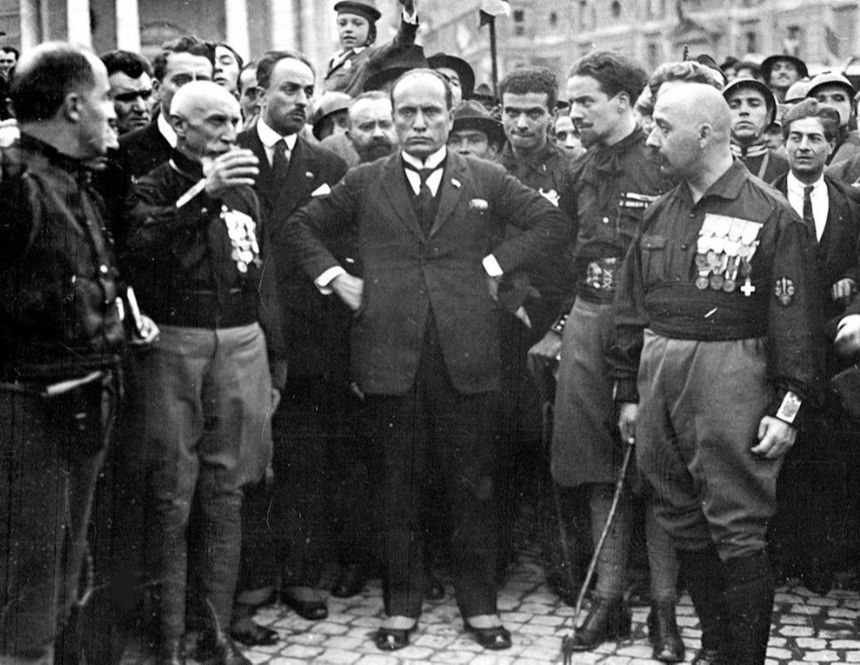
Fascist leaders took control in several countries, creating political systems that limited individual freedoms.
World War II
Fascism played a major role in shaping the events that led to World War II. Fascist regimes became central players in global conflict.
Human Rights Violations
Various fascist governments committed serious human rights abuses against groups they considered enemies.
Global Response
The world united to oppose fascist governments during the war, leading to the fall of many fascist regimes.
Fascisterne in Danish History
Fascism in Denmark
While Denmark did not develop a major fascist movement compared to Italy or Germany, small groups inspired by fascist ideology existed during the early 20th century.
During World War II
Some Danish individuals and groups supported fascist powers. Others strongly opposed them, joining resistance movements.
Post-War Denmark
After the war, fascism became widely rejected in Danish society. The term “fascisterne” today is mostly used in historical or academic discussions.
Key Leaders Associated With Fascist Movements
Understanding the leaders helps explain why the ideology became influential.
Benito Mussolini (Italy)
Founder of the original fascist movement, known for authoritarian rule.
Adolf Hitler (Germany)
Leader of the Nazi regime, whose actions led to global war and genocide.
Francisco Franco (Spain)
Led a long-lasting authoritarian regime after the Spanish Civil War.
These leaders shaped the ideology and global impact of fascism.
How Fascist Movements Organized Themselves
Political Structure
Fascist parties were hierarchical and centered around a single leader.
Propaganda
They used posters, speeches, radio, and rallies to influence public opinion.
Youth Programs
Many fascist governments created youth organizations to shape ideology early.
Control of Institutions
Control over police, military, schools, and media reinforced authority.
Symbols and Cultural Elements of Fascism
Visual Symbols
Many fascist groups used bold symbols to represent power or unity.
Uniforms and Marches
Military-style clothing and public marches were common for expressing strength.
Slogans
Short, powerful slogans communicated ideological messages to supporters.
Why People Joined Fascisterne
Economic Struggles
High unemployment, inflation, and poverty made extreme ideas appealing.
Political Instability
When people felt unsafe or unsure, some sought strong leadership.
Social Pressure
In some countries, fascist groups gained support through fear or influence.
Propaganda
Public messaging convinced many people that fascism offered solutions.
Criticism and Opposition to Fascisterne
Democratic Activists
Opposed the suppression of freedom and supported democratic values.
Intellectuals and Writers
Used literature, essays, and speeches to criticize fascist ideology.
International Governments
Allied nations fought against fascist powers during World War II.
Resistance Movements
Citizens created underground groups to protect freedom and oppose control.
Modern Uses of the Word “Fascisterne”
Today, the term is mostly used in:
- historical education
- political analysis
- academic research
- discussions about past events
It is not a neutral term today and is often used critically in modern conversations.
How Fascism Is Studied Today
Historical Perspective
Researchers examine documents, speeches, and events to understand the rise of fascism.
Political Science
Studies focus on how authoritarian systems work and how societies can prevent them.
Social Studies
Explores the psychological and social factors that encourage extremism.
Education
Schools teach about fascism to help new generations recognize and resist harmful ideologies.
Lessons Learned From Fascisterne
The Importance of Democracy
Fascism showed the dangers of losing democratic rights.
Value of Human Rights
Respect for diversity and individual freedoms is essential.
Historical Awareness
Understanding history helps prevent repeating past mistakes.
Power of Unity
People can overcome harmful ideologies by working together.
Comparing Fascism to Other Ideologies
Fascism vs. Democracy
Democracy encourages freedom; fascism restricts it.
Fascism vs. Communism
Both can become authoritarian, but they differ ideologically.
Fascism vs. Liberalism
Liberalism supports individual rights; fascism prioritizes the state over individuals.
Fascisterne in Media and Pop Culture
Movies
Many films explore themes related to fascism and history.
Books
Novels and memoirs provide personal perspectives on fascist periods.
Documentaries
Educational documentaries are widely used in schools.
Video Games
Some games include historical content for learning purposes.
Frequently Asked Questions
Is fascism still active today?
While classical fascism is largely historical, some extremist groups adopt similar ideas.
Is the word “fascisterne” always negative?
Yes, it generally has a negative meaning due to historical events.
Why study fascism today?
To understand history, protect democracy, and prevent future harm.
Is this article political?
No. It is neutral and educational.
Conclusion
The term fascisterne refers to individuals or groups connected to fascist ideology—a political movement that shaped major historical events. Understanding the origins, beliefs, and impact of fascism helps modern society learn from the past and protect democratic values. By studying history carefully and honestly, we can build a more peaceful, informed, and responsible future.