Space Force Orbital Warship Carrier: The Future of Space Defense
The concept of the Space Force Orbital Warship Carrier is rapidly becoming one of the most discussed innovations in modern defense technology. As nations compete for dominance beyond Earth’s atmosphere, the need for powerful orbital carriers equipped with advanced weaponry, autonomous systems, and rapid-deployment fleets is stronger than ever. This article explores the complete idea, technology, strategy, design, and potential future of the Space Force Orbital Warship Carrier in a clean.
What Is a Space Force Orbital Warship Carrier?
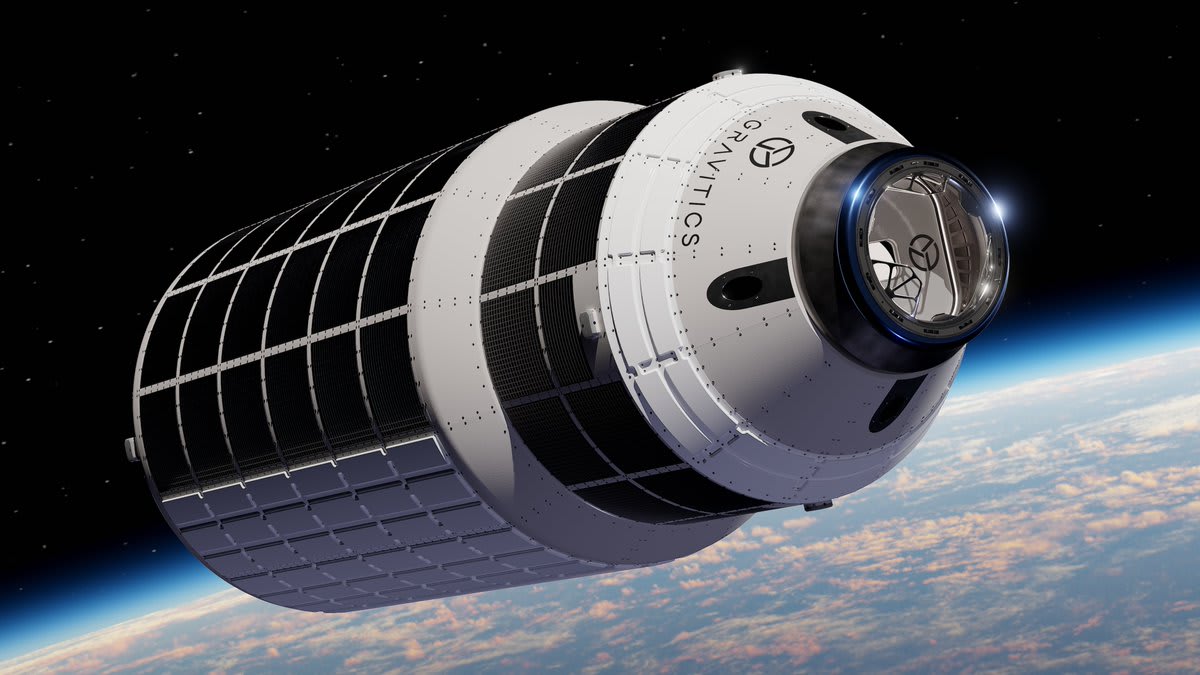
A Space Force Orbital Warship Carrier is a massive military spacecraft designed to operate outside Earth’s atmosphere. It functions like an aircraft carrier—but instead of hosting jets, it houses space warships, drones, interceptors, and defense modules. These carriers are built to stay in orbit for years, operating as mobile command centers capable of launching rapid-response missions across space.
Why the Concept Matters
Space is no longer just a scientific frontier. It is becoming a strategic battlefield, communication hub, and surveillance zone. Nations want dominance not only on land, sea, and air but also in orbit. Warship carriers in space allow real-time defense, intelligence gathering, and proactive strategy far beyond Earth.
Key Capabilities of an Orbital Warship Carrier
The Space Force Orbital Warship Carrier includes multiple high-tech systems designed for combat, defense, and long-term operational stability.
1. Warship Deployment Bays
These bays store and launch small, fast, maneuverable mini-warships or drones that can conduct intercept missions, escort operations, surveillance flights, or orbital combat strategies.
Functions
- Secure docking for multiple warships
- Rapid deployment mechanisms
- Automated refuel and recharge systems
2. Orbital Defense Weapons
Warship carriers are armed with defensive and offensive weapons designed for space combat.
Possible Weapon Systems
- Directed-energy lasers
- Electromagnetic railguns
- Missile intercept drones
- Hypersonic anti-satellite strike modules
3. Onboard AI Command System
An advanced AI serves as the core operational brain of the carrier. It monitors threats, calculates trajectories, and supports decision-making for battles in zero-gravity environments.
AI Abilities
- Real-time strategy analysis
- Predictive threat modeling
- Autonomous drone control
- System health monitoring
4. Shielding & Armor Technologies
Space carriers face meteor threats, cosmic radiation, and possible enemy attacks.
Protection Features
- Radiation-resistant hull
- Kinetic impact shields
- Plasma energy shield layers
- Self-repairing nano coatings
5. Orbital Mobility Systems
Although not as fast as smaller ships, the carrier can reposition across orbits using ion propulsion or nuclear thermal engines.
Mobility Advantages
- Silent orbit shifting
- Long-range travel without refueling
- High-efficiency engine output
Strategic Uses of an Orbital Warship Carrier
The Space Force Orbital Warship Carrier has immense value in both defensive and offensive missions.
1. Orbital Defense Network
Carriers act as nodes in a global defense web, monitoring space traffic and identifying threats.
2. Anti-Satellite Defense
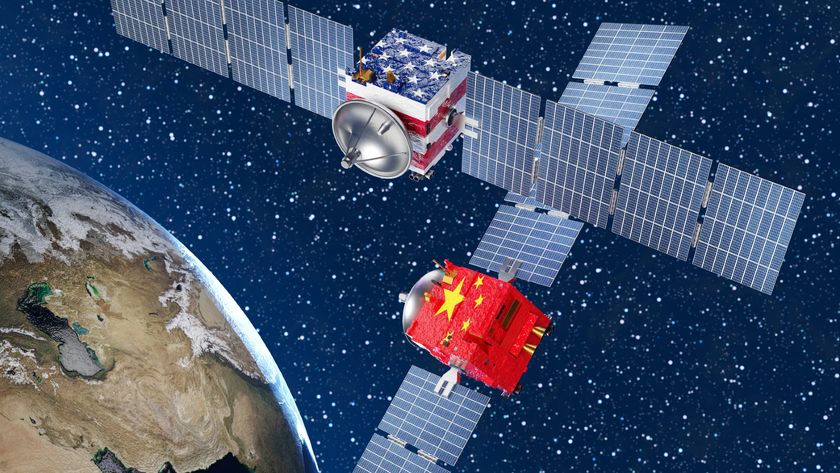
In an era where satellites control communication, finance, GPS, and military intelligence, protecting them is critical. Carriers can intercept enemy anti-satellite weapons.
3. Rapid-Response Space Combat
Because the carrier is already in orbit, response times are almost instant compared to launching from Earth.
4. Deep Space Exploration Security
Warship carriers can escort research missions beyond Earth’s orbit.
Design & Engineering of the Orbital Warship Carrier
The structure and engineering of the carrier determine its durability and combat effectiveness.
Modular Construction
Each carrier is built with detachable modules for weapons, engines, hangars, and communication systems. This allows easy upgrades.
Zero-Gravity Docking Bay
Warships attach magnetically, allowing seamless maintenance.
Nuclear or Hybrid Power Core
Power generation is essential for shields, lasers, propulsion, and AI.
Rotational Gravity Decks
Artificial gravity improves crew performance during long missions.
Technology Behind Space Warship Deployment
The launch and retrieval system of warships aboard the carrier is highly advanced.
Magnetic Catapult Launchers
These systems accelerate warships without needing fuel.
Robotic Arms & Drones
Robots perform external repairs, fuel cycles, and docking tasks.
Potential Challenges of Orbital Warship Carriers
While powerful, the concept comes with multiple challenges that nations must overcome.
High Construction Costs
Building giant structures in space requires huge budgets.
International Regulations
Weapons in space remain a controversial topic under global treaties.
Space Debris Risks
Any damage or collision could create dangerous debris fields.
Cybersecurity Threats
AI-driven ships must be protected from hacking.
Future of the Space Force Orbital Warship Carrier
The future of orbital carriers looks promising as space defense evolves rapidly.
1. Quantum Communication Systems
Unhackable communication for secure missions.
2. Hypersonic Drone Squadrons
Mini warships capable of extreme speed.
3. Fusion Power Reactors
Unlimited energy for weapons and propulsion.
4. Planetary Defense Role
Carriers may one day defend Earth from asteroids or alien threats.
5. Interplanetary Deployment
Carriers may support missions to the Moon, Mars, and beyond.
Why the Idea Is Becoming Popular
Space dominance is the new global power metric. Countries understand that whoever controls orbital space controls the future of communication, economy, and military operations. Orbital warship carriers provide a massive advantage by serving as floating space bases capable of long-term missions and strategic superiority.
How Soon Can Space Carriers Become Real?
Experts estimate that prototypes may appear within the next 20–40 years. With advancements in reusable rockets, robotics, artificial intelligence, and nuclear propulsion, the foundational technology is already emerging.
Conclusion
The Space Force Orbital Warship Carrier represents the next phase of military evolution. It blends advanced weapons, AI-driven operations, long-term orbital endurance, and rapid deployment capabilities. As nations prepare for the future of space defense, the orbital warship carrier stands out as a symbol of dominance, innovation, and strategic power. Whether for protecting satellites, controlling orbital zones, or responding to space threats, this powerful concept will shape global military technology for decades to come.