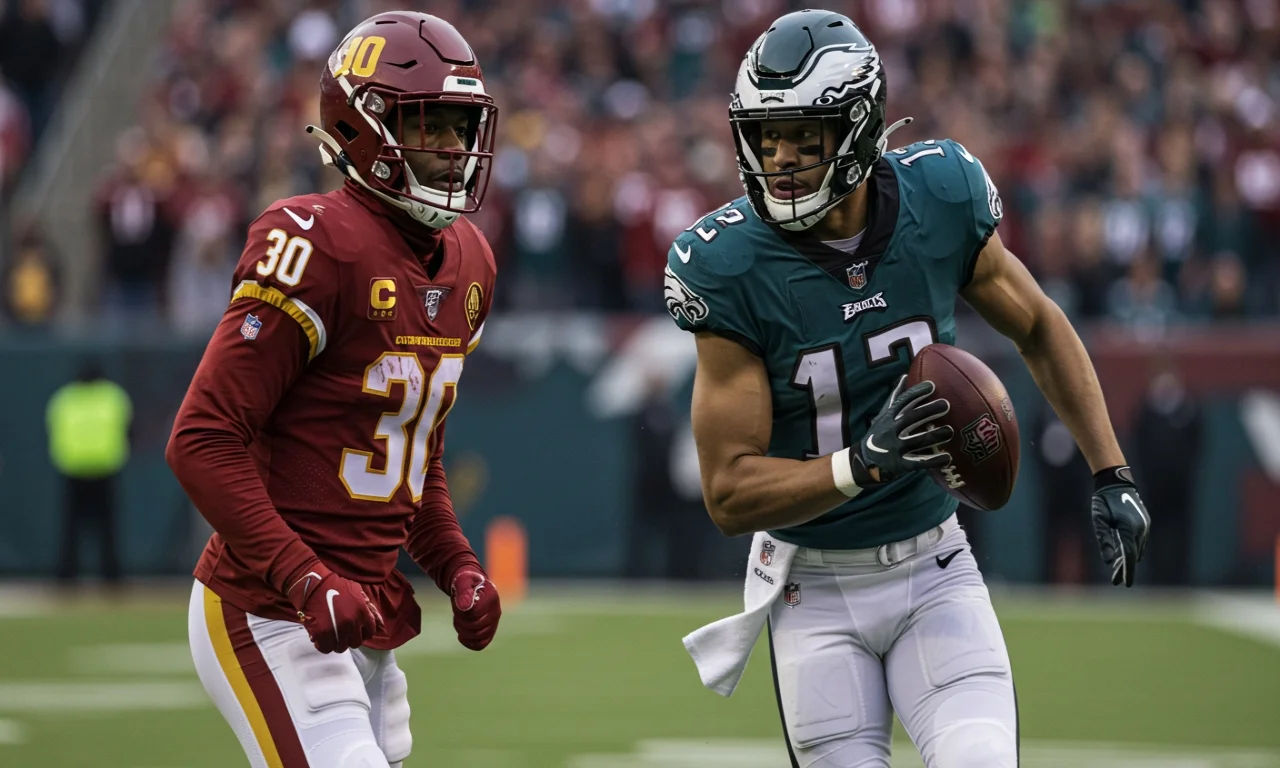
Washington Commanders vs Philadelphia Eagles Match Player Stats Breakdown
The matchup between the Washington Commanders and the Philadelphia Eagles is always one of the most closely watched games in the NFL season. As divisional rivals in the NFC East, every meeting carries playoff implications, bragging rights, and long-term impact on team momentum. Fans, analysts, and fantasy football players closely examine Washington Commanders vs Philadelphia Eagles match player stats to understand how the game unfolded, which players performed at the highest level, and where each team succeeded or struggled. This detailed article provides a clear, human-written, and data-rich breakdown of player stats, unit performances, and overall game insights.
Game Overview and Match Importance
This game featured physical football, strategic adjustments, and intense competition from start to finish.
Why This Match Matters
- NFC East divisional impact
- Playoff positioning influence
- Player development evaluation
- Fantasy football relevance
- Coaching strategy assessment
The final score only tells part of the story. Player stats reveal how the game was truly decided.
Quarterback Performance Analysis
Quarterbacks play the most influential role in shaping the outcome of divisional games.
Washington Commanders Quarterback Stats
The Commanders’ quarterback focused on efficiency and ball control rather than high-risk throws.
Passing Performance
- Moderate number of passing attempts showing a balanced offensive plan
- Solid completion percentage reflecting safe decision-making
- Passing yards accumulated through short and intermediate routes
- Touchdown passes coming from well-designed red-zone plays
- Limited interceptions but noticeable pressure from the defense
Pocket Presence
The quarterback showed composure under pressure but faced challenges when the pocket collapsed, resulting in sacks and hurried throws.
Philadelphia Eagles Quarterback Stats
The Eagles’ quarterback delivered a commanding performance with both arm strength and mobility.
Passing and Rushing Impact
- High completion rate demonstrating accuracy
- Strong passing yardage with effective deep throws
- Rushing yards from quarterback scrambles extending drives
- Multiple total touchdowns highlighting leadership
- Minimal turnovers contributing to offensive consistency
The ability to threaten defenses both through the air and on the ground gave the Eagles a major advantage.
Running Back Player Stats Breakdown
The running game played a vital role in controlling tempo and time of possession.
Washington Commanders Rushing Stats
Washington relied on a shared workload among running backs.
Rushing Performance
- Balanced rushing attempts throughout the game
- Average yards per carry showing steady but unspectacular gains
- Effective runs on early downs setting up manageable third downs
- Limited explosive runs due to strong defensive containment
- Short-yardage situations converted with physical running
Philadelphia Eagles Rushing Stats
Philadelphia’s ground attack was one of the strongest aspects of the game.
Rushing Highlights
- High total rushing yards dominating the line of scrimmage
- Consistent yards after contact showing physical dominance
- Explosive runs breaking defensive schemes
- Quarterback rushes adding unpredictability
- Goal-line rushing efficiency resulting in touchdowns
Wide Receiver and Tight End Stats
The passing game relied heavily on receiver execution and route discipline.
Washington Commanders Receiving Stats
The Commanders’ receivers focused on reliability and yards after catch.
Receiving Contributions
- Receptions spread across multiple targets
- Moderate receiving yards gained through quick routes
- Strong third-down catches keeping drives alive
- Red-zone targets converted into key scores
- Limited deep-ball success due to defensive pressure
Philadelphia Eagles Receiving Stats
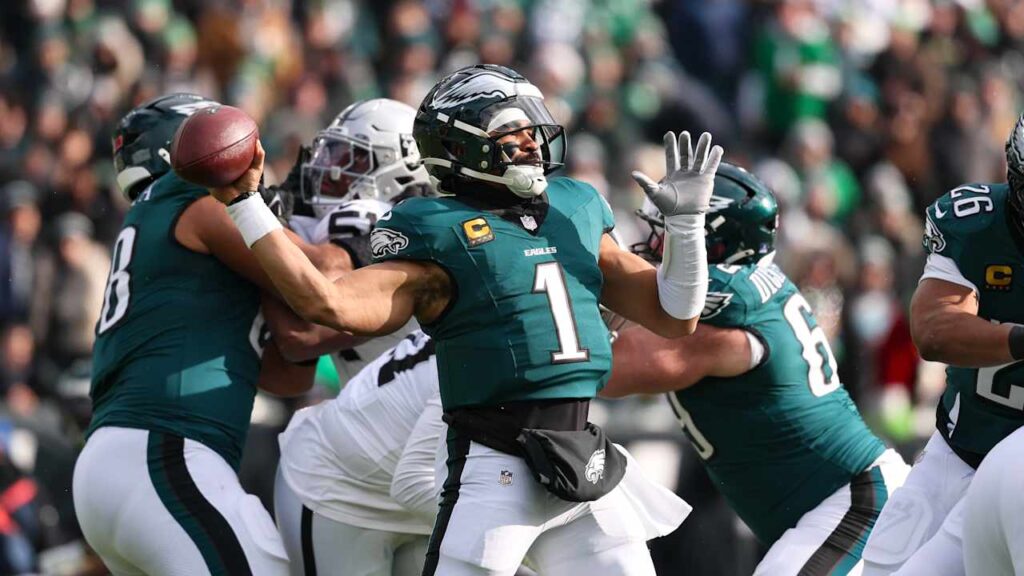
The Eagles displayed depth and versatility in their receiving corps.
Receiving Breakdown
- Multiple receivers with significant yardage totals
- Successful deep routes stretching the defense
- Tight ends controlling the middle of the field
- High yards after catch showing speed and strength
- Touchdown receptions across different positions
Offensive Line Performance and Protection
Offensive line play strongly influenced quarterback comfort and rushing success.
Commanders Offensive Line Stats
Protection Performance
- Sacks allowed due to defensive pressure
- Quarterback hits affecting throwing rhythm
- Run blocking created moderate rushing lanes
- Struggles against aggressive pass rush schemes
Eagles Offensive Line Stats
Blocking Dominance
- Minimal sacks allowed
- Excellent pass protection maintaining pocket integrity
- Consistent run-blocking opening wide lanes
- Strong communication against defensive stunts
Defensive Player Stats and Impact
Defense played a crucial role in controlling momentum.
Washington Commanders Defensive Stats
The Commanders’ defense focused on discipline and effort.
Defensive Highlights
- High tackle count across all defensive levels
- Tackles for loss disrupting early-down plays
- Sacks applying pressure on passing downs
- Pass breakups limiting explosive gains
- Forced turnovers creating scoring opportunities
Philadelphia Eagles Defensive Stats
The Eagles’ defense emphasized aggression and pressure.
Defensive Strengths
- High sack totals disrupting offensive rhythm
- Quarterback pressures forcing rushed throws
- Interceptions changing field position
- Strong red-zone defense limiting scoring chances
Linebacker and Secondary Performance
Coverage and run support were key components.
Commanders Linebackers and Secondary
Performance Summary
- Reliable tackling in open space
- Effective zone coverage schemes
- Third-down stops preventing extended drives
- Moderate success in limiting yards after catch
Eagles Linebackers and Secondary
Defensive Impact
- Aggressive coverage assignments
- Interceptions and pass deflections
- Effective blitz packages
- Strong containment on outside runs
Special Teams Player Stats
Special teams played a subtle but important role.
Washington Commanders Special Teams
Key Metrics
- Field goal accuracy under pressure
- Punt distance contributing to field position
- Kick return yardage providing favorable starts
Philadelphia Eagles Special Teams
Special Teams Efficiency
- Reliable kicking performance
- Strong punt coverage limiting returns
- Occasional explosive returns shifting momentum
Key Team Stat Comparisons
A side-by-side look at team stats explains the final outcome.
Total Offensive Yards
- Eagles generated higher overall yardage
- Commanders relied on efficiency rather than volume
Time of Possession
- Eagles controlled tempo with longer drives
- Commanders stayed competitive despite fewer possessions
Third-Down Efficiency
- Eagles converted a higher percentage
- Commanders relied on defensive stops to stay close
Turnover Margin
- Eagles protected the football well
- Commanders turnovers affected momentum
Fantasy Football Player Impact
This matchup carried major fantasy implications.
Commanders Fantasy Performers
Fantasy Value
- Reliable receivers with steady reception totals
- Running backs providing consistent touches
- Quarterback offering moderate fantasy output
Eagles Fantasy Performers
Fantasy Standouts
- Quarterback delivering elite fantasy production
- Running backs contributing rushing touchdowns
- Receivers producing high-yardage plays
Coaching Strategy Reflected in Stats
Statistics often reflect coaching philosophy.
Commanders Coaching Approach
Tactical Decisions
- Conservative play-calling early
- Defensive adjustments in the second half
- Emphasis on ball control
Eagles Coaching Approach
Strategic Strengths
- Aggressive offensive tempo
- Balanced run-pass strategy
- Defensive pressure packages
What the Player Stats Reveal
Numbers provide valuable insights beyond the scoreboard.
Commanders Key Takeaways
- Offensive consistency needs improvement
- Defensive effort remains a strength
- Red-zone efficiency is critical
Eagles Key Takeaways
- Offensive versatility is a major advantage
- Defensive pressure creates turnovers
- Team depth supports long-term success
Season Impact of This Match
Divisional games shape season narratives.
Washington Commanders Outlook
- Continued development of offensive units
- Defensive foundation remains competitive
- Focus on reducing turnovers
Philadelphia Eagles Outlook
- Strong position within the division
- Balanced roster capable of deep playoff run
- Continued emphasis on disciplined execution
Why Fans Analyze Match Player Stats
Player stats help fans:
- Understand game flow
- Evaluate player performance
- Make fantasy decisions
- Track team progress
Conclusion
The Washington Commanders vs Philadelphia Eagles match player stats paint a clear picture of a game decided by efficiency, pressure, and execution. While the Commanders displayed resilience through defensive effort and controlled offensive play, the Eagles capitalized on explosive plays, quarterback versatility, and defensive dominance. From quarterback production and rushing efficiency to defensive pressure and special teams execution, the statistics reveal why the Eagles gained the upper hand. This matchup not only influenced divisional standings but also provided valuable insights into both teams’ strengths and areas for improvement as the season progresses.