Ehi Vuoi da Bere: Meaning, Usage, Cultural Context & Modern Expression Guide
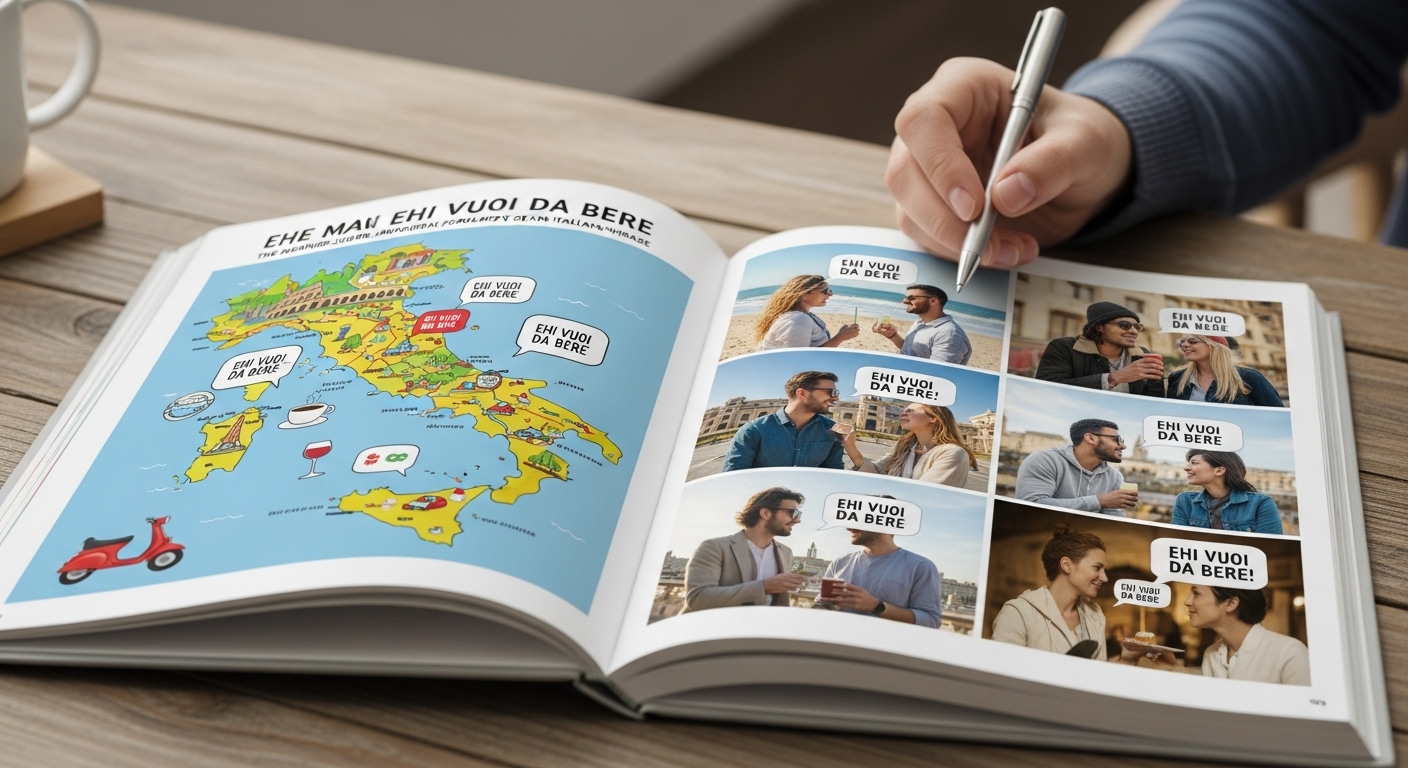
Italian is a language full of charm, emotion, and expressive phrases that carry more meaning than their literal translation. One widely used expression is “Ehi vuoi da bere”, a friendly and casual way to offer someone a drink. Whether used in cafés, at parties, during dates, or in everyday conversation, this phrase represents hospitality, connection, and social warmth. This SEO-optimized, user-friendly article explores the complete meaning of “Ehi vuoi da bere,” how to use it, cultural nuances, variations, responses, conversation examples, and why the phrase is popular in both Italian culture and global media.
What Does “Ehi Vuoi da Bere” Mean?
The Italian phrase “Ehi vuoi da bere” translates to “Hey, do you want something to drink?”
Breakdown of the Phrase
- Ehi → Hey
- Vuoi → Do you want
- Da bere → To drink / something to drink
The phrase is casual, friendly, and suitable for informal situations.
Why “Ehi Vuoi da Bere” Is Popular
This phrase is often used because it is simple, welcoming, and natural.
Reasons People Like Using It
- Shows friendliness
- Works as an icebreaker
- Offers hospitality
- Sounds charming in Italian
- Used in movies, songs, and social media culture
Its warm tone makes conversations feel relaxed and approachable.
Cultural Context Behind the Phrase
Italy is known for its strong culture of social interaction, hospitality, and shared experiences.
Why the Phrase Matters in Italian Culture
- Offering a drink is a sign of kindness
- It invites connection or conversation
- It is a polite gesture in both homes and social venues
- It helps create a comfortable environment
In Italy, sharing a drink—whether coffee, wine, or water—is a cultural ritual.
Common Situations Where “Ehi Vuoi da Bere” Is Used
The phrase appears in many everyday moments.
At a Café or Bar
Examples
- Asking a friend if they want a coffee
- Offering a drink to someone you’ve just met
- Checking if someone wants a refill
During Social Gatherings
Contexts
- House parties
- Family dinners
- Celebrations and meetups
As a Friendly Gesture
Purpose
- Break the ice
- Start a conversation
- Show politeness
During a Date
Why It’s Used
The phrase feels warm and casual, helping set a relaxed tone.
Different Languages Use Similar Expressions

Many cultures use drink-offering phrases as a sign of respect and friendliness.
English
Equivalent
“Hey, want something to drink?”
Spanish
Equivalent
“¿Oye, quieres algo de beber?”
French
Equivalent
“Hé, tu veux quelque chose à boire ?”
German
Equivalent
“He, willst du etwas trinken?”
Variations of “Ehi Vuoi da Bere” in Italian
There are multiple ways to express the same idea depending on tone and formality.
Informal Variations
Examples
- “Vuoi da bere?”
- “Che vuoi da bere?” → “What do you want to drink?”
- “Ti va da bere?” → “Do you feel like having a drink?”
Formal Variations
Examples
- “Vuole qualcosa da bere?”
- “Desidera da bere?”
These forms are used with older adults, strangers, or customers.
Playful or Flirty Variations
Examples
- “Posso offrirti da bere?” → “Can I buy you a drink?”
- “Ti va un drink con me?” → “Would you like a drink with me?”
These versions are often used in dating contexts.
How to Respond to “Ehi Vuoi da Bere”
Knowing the proper response helps keep the conversation natural.
If You Want a Drink
Responses
- “Sì, grazie!” → Yes, thank you!
- “Volentieri.” → Gladly.
- “Prendo un caffè.” → I’ll have a coffee.
If You Don’t Want a Drink
Responses
- “No grazie, sto bene.” → No thanks, I’m fine.
- “Magari dopo.” → Maybe later.
- “Per ora no.” → Not for now.
If You Want to Be Polite
Examples
- “Grazie per l’offerta!” → Thank you for the offer!
Dialogue Examples Using “Ehi Vuoi da Bere”
These real-life examples help users understand natural use.
Friendly Conversation
A: Ehi vuoi da bere?
B: Sì, un bicchiere d’acqua per favore.
At a Bar
A: Ehi vuoi da bere?
B: Certo, prendo una birra.
Flirty Conversation
A: Ehi vuoi da bere?
B: Dipende… stai offrendo tu?
Hosting Someone at Home
A: Ehi vuoi da bere?
B: Volentieri, un succo va bene.
Why Learning “Ehi Vuoi da Bere” Is Useful
This phrase helps learners improve communication and sound natural in Italian.
Useful for Travelers
Benefits
- Helps break the ice
- Used in cafés and bars
- Makes social moments easier
Useful for Students of Italian
Language Learning Benefits
- Teaches informal tone
- Builds conversational confidence
- Helps practice polite offers
Useful for Daily Conversations
Reason
It’s practical, simple, and commonly used.
How “Ehi Vuoi da Bere” Sounds to Native Italians
Native speakers consider it casual, warm, and approachable.
Tone Style
Characteristics
- Friendly
- Uncomplicated
- Social
- Slightly informal
This phrase sets a comfortable vibe.
Mistakes Learners Often Make
Avoiding these helps sound more natural.
Mistake 1: Incorrect Word Order
Wrong: “Vuoi ehi da bere?”
Correct: “Ehi vuoi da bere?”
Mistake 2: Using It in Formal Settings
It is too casual for professional situations.
Mistake 3: Mispronouncing “vuoi”
Correct pronunciation: vwoy
Mistake 4: Translating Too Literally
While it means “Do you want to drink?” the intent is offering hospitality, not questioning thirst.
Cultural Etiquette When Offering Drinks in Italy
Italy values politeness and hospitality.
Offering a Drink Is a Social Norm
Why It Matters
It shows:
- Respect
- Inclusion
- Kindness
Hosts Often Repeat the Offer
It’s common to ask more than once to ensure the guest is comfortable.
Guests Usually Accept Something Small
Even a small drink (water, coffee) is polite.
What Drinks Italians Commonly Offer
Knowing this helps navigate cultural scenarios.
1. Water (Acqua)
Both still and sparkling.
2. Coffee (Caffè)
A cultural staple.
3. Wine (Vino)
Often served during meals.
4. Juice (Succo)
Common for guests of all ages.
5. Aperitivo Drinks
Such as Spritz or Campari.
Use of the Phrase in Media & Entertainment
“Ehi vuoi da bere” occasionally appears in:
- Movies
- TV series
- Song lyrics
- Social media memes
Its simplicity makes it relatable.
Why People Search for This Phrase Online
There are several reasons.
Language Learning
Users want to understand natural Italian expressions.
Pop Culture References
People look it up after hearing it in movies or games.
Romantic Context
Offering a drink can be a flirtatious gesture.
Tourism and Travel
Visitors preparing for Italy want basic conversational phrases.
Modern Usage in 2025
The phrase remains widely used and continues evolving with modern slang.
Examples of Modern Variations
- “Ehi, ti va un drink?”
- “Facciamo un aperitivo?”
- “Ti prendo qualcosa da bere?”
Why “Ehi Vuoi da Bere” Represents Italian Warmth
It reflects core cultural values:
- Hospitality
- Sociability
- Comfort
- Generosity
It’s more than a question—it’s an invitation to connect.
Conclusion
The phrase “Ehi vuoi da bere” is a simple yet meaningful expression of Italian hospitality, friendliness, and social warmth. Whether used among friends, during travel, or in casual conversation, it invites connection and comfort. Understanding how to use it, how to respond, and its cultural significance helps learners and travelers communicate more naturally in Italy. As a phrase rooted in everyday life, “Ehi vuoi da bere” remains timeless, useful, and universally charming.