What Does .com Mean: Complete Guide to the Most Popular Domain
If you have ever wondered, “what does .com mean?”, you are not alone. The .com domain is one of the most recognized and widely used top-level domains on the internet. From websites of small businesses to major corporations, .com domains dominate online addresses. Understanding what .com means helps beginners, business owners, and internet users know the history, purpose, and importance of this iconic domain in 2024. This guide explores everything about .com domains, including its origin, advantages, usage, differences from other domains, and tips for choosing a great domain name.
Origin of the .com Domain
The .com domain was introduced in January 1985 as part of the first set of top-level domains. It was originally designed for commercial organizations, which is why the abbreviation “com” stands for commercial. Over the years, .com has evolved to be used by virtually anyone, from businesses to personal websites.
Why .com Was Created
The internet’s early developers wanted a way to categorize websites based on their purpose. The .com domain was intended for commercial ventures, while other domains like .edu and .gov were reserved for educational institutions and government agencies.
Growth Over the Years
Initially, only a few websites used .com domains, but the expansion of the internet in the 1990s led to massive growth. Today, .com remains the most trusted and widely recognized domain worldwide.
What Does .com Mean Today
While .com originally stood for commercial, its modern meaning has expanded. It is now a universal symbol for websites of all types. Companies, individuals, blogs, e-commerce stores, and global platforms often use .com domains. It represents professionalism, trustworthiness, and credibility in the online world.
Why Businesses Prefer .com
Businesses choose .com because it is widely recognized by users. Customers instinctively trust websites ending with .com, making it easier to establish a brand online.
Universal Recognition
The .com domain is globally understood, regardless of the country or language. This makes it ideal for international businesses and online services.
Advantages of Using a .com Domain
Choosing a .com domain comes with multiple advantages for individuals and businesses.
Credibility and Trust
A .com domain adds legitimacy to your website. People are more likely to trust a domain ending with .com compared to less common alternatives.
Better Memorability
.com domains are easier to remember. This helps users recall your website address quickly, which is essential for repeat visitors.
SEO Benefits
Search engines tend to favor .com domains because they are older, well-established, and frequently used. This can improve your website’s visibility.
Global Reach
A .com domain is recognized internationally, making it easier to expand your brand beyond local markets.
Differences Between .com and Other Domains
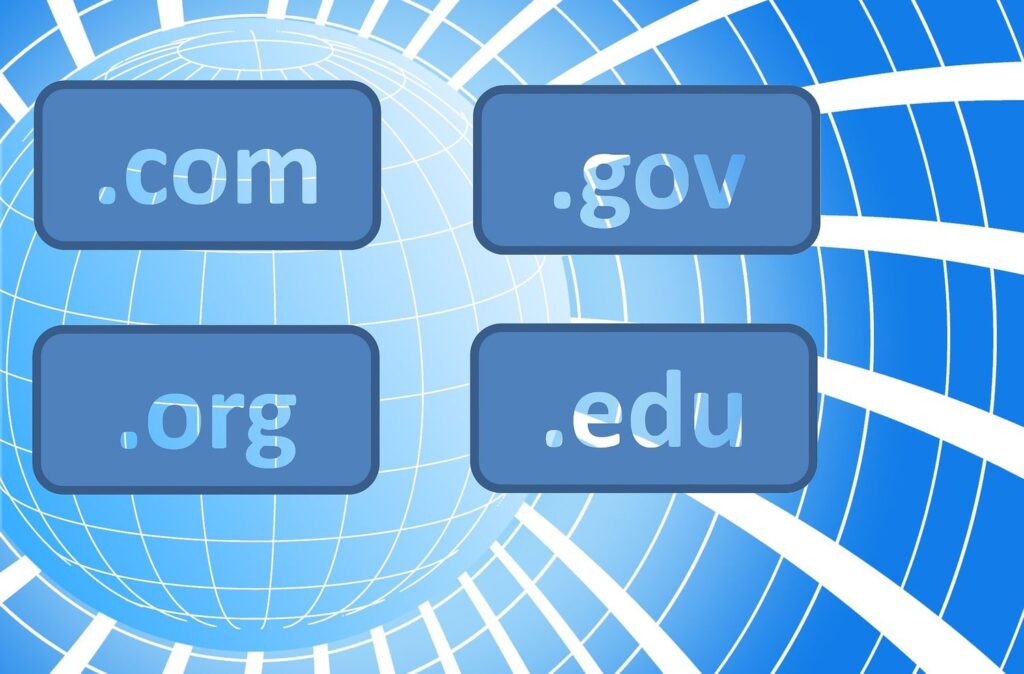
There are many top-level domains, but .com remains the most popular. Understanding how it differs from others helps in making an informed choice.
.net
Originally for network providers, .net is now used by many types of websites. It is less common than .com and may not feel as professional.
.org
Intended for non-profit organizations, .org conveys trust but is often associated with charity and educational sites.
Country-Specific Domains
Domains like .us, .uk, or .ca target specific countries. While useful for local businesses, they do not have the global recognition of .com.
New Generic Domains
Domains like .shop, .online, or .tech are trendy, but they may be harder for users to remember compared to .com.
How to Choose a Good .com Domain
Selecting the right .com domain is crucial for your online presence.
Keep It Short and Simple
Short names are easier to remember and type. Avoid complicated spellings or long phrases.
Include Keywords
If possible, include a keyword that reflects your business or niche. This can help with branding and SEO.
Make It Brandable
Your domain should be unique and easy to pronounce. A brandable .com domain helps you stand out from competitors.
Avoid Numbers and Hyphens
Numbers and hyphens make domains harder to remember and prone to typing errors.
Check Availability
Popular .com names may already be taken. Consider alternatives or slightly modified versions to secure a memorable domain.
Common Misconceptions About .com Domains
There are several misconceptions about .com domains that are worth clarifying.
.com Is Only for Businesses
While it originally stood for commercial, .com is now used by anyone, including bloggers, influencers, and personal websites.
.com Guarantees Success
A good .com domain helps credibility, but success depends on content, marketing, and user experience.
Other Domains Are Inferior
Other domains have their place, especially for niche markets or local businesses. The key is choosing the right domain for your goals.
The Future of .com Domains
Despite the rise of new domain extensions, .com continues to dominate. Its history, global recognition, and trust factor make it indispensable.
Continued Popularity
Millions of new .com domains are registered every year, showing that businesses and individuals still value this extension.
Integration With Modern Technology
.com domains are fully compatible with mobile platforms, apps, and modern SEO strategies, ensuring they remain relevant.
Investment Potential
Premium .com domains can be valuable assets. Many are sold for thousands or even millions of dollars because of their memorability and brand potential.
Conclusion
Understanding what does .com mean is essential for anyone navigating the online world. Originally created for commercial organizations, .com has become a universal, globally recognized symbol of trust, professionalism, and accessibility. Choosing a .com domain adds credibility, improves memorability, and supports global branding. By selecting the right .com domain and using it effectively, individuals and businesses can strengthen their online presence and connect with audiences worldwide.