İns: Understanding Human Nature, Behavior, Emotions, and Personal Growth
The word “ins” is deeply connected to the concept of being human—our emotions, behaviors, strengths, weaknesses, and the unique qualities that make us who we are. Across cultures, the idea of “ins” represents humanity, compassion, social behavior, and the inner world that shapes our decisions. In this detailed guide, we explore the complete meaning of ins, its psychological and emotional layers, human behavior patterns, personal development, social relationships, and how understanding human nature can improve life.
What Does İns Mean?
“İns,” commonly rooted in the Turkish language, refers to human beings, often highlighting emotional intelligence, moral values, social bonds, compassion, and personal character.
Why the Concept of İns Matters
- It helps us understand human emotions
- It explains how people behave and think
- It guides personal and social development
- It supports healthy relationships
- It builds empathy and awareness
Understanding “ins” is essential for improving communication, emotional well-being, and overall life satisfaction.
The Human Nature Behind İns
Human nature is shaped by biological instincts, emotional needs, and social experiences.
Core Elements of İns
- Thought
- Emotion
- Behavior
- Morality
- Consciousness
These dimensions work together to form a complete human identity.
Psychological Meaning of İns
Human psychology plays an important role in shaping how individuals think and behave.
Cognitive Aspect
Cognition includes:
- Decision-making
- Problem solving
- Memory
- Awareness
Humans use their cognitive abilities to adapt and grow.
Emotional Aspect
Emotions drive human actions.
Key Emotions
- Love
- Fear
- Joy
- Anxiety
- Empathy
Understanding emotions helps improve emotional intelligence.
Behavioral Aspect
Behavior reflects personality, habits, and environment.
Behavior Influencers
- Childhood experiences
- Social interactions
- Learning patterns
- Self-beliefs
Emotional Intelligence and İns
Emotional intelligence (EQ) is the ability to understand and manage emotions effectively.
Components of EQ
- Self-awareness
- Self-control
- Motivation
- Empathy
- Social skills
Why EQ Matters
People with high EQ:
- Build stronger relationships
- Handle stress better
- Make wiser decisions
- Communicate effectively
Social Dimensions of İns
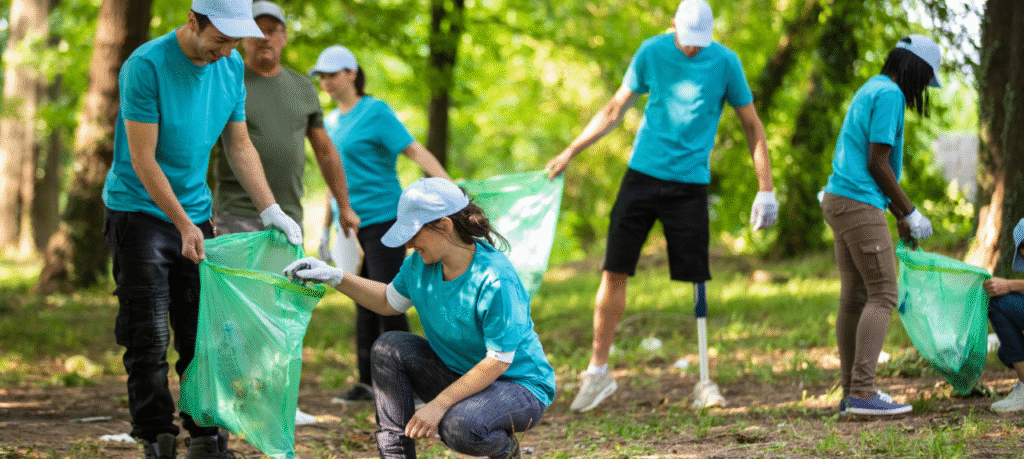
Humans are social beings who rely on relationships to survive and thrive.
Family Relationships
Family shapes values, emotional well-being, and life decisions.
Friendship and Social Bonds
Friends provide:
- Support
- Understanding
- Shared experiences
Community and Culture
Culture influences:
- Beliefs
- Behaviors
- Identity
- Communication styles
Ethics, Morality, and İns
The human experience includes moral principles and ethical understanding.
Moral Development
Moral values guide:
- Right and wrong
- Fairness
- Responsibility
Human morality develops through learning and social influence.
Ethical Behavior
Ethics encourage:
- Honesty
- Respect
- Kindness
- Justice
Ethical behavior strengthens trust and societal harmony.
Personality and İns
Personality defines how individuals think, feel, and behave.
Personality Types
Common personality traits include:
- Introversion
- Extraversion
- Openness
- Stability
- Agreeableness
How Personality Shapes Life
Personality impacts:
- Career success
- Social relationships
- Emotional well-being
- Decision-making styles
Human Needs and İns
Human needs guide behavior and motivation.
Basic Needs
- Food
- Safety
- Health
Psychological Needs
- Love
- Belonging
- Esteem
Self-Fulfillment Needs
- Purpose
- Growth
- Creativity
Meeting these needs is essential for a balanced, fulfilling life.
Communication and İns
Communication defines how humans connect with others.
Types of Communication
- Verbal
- Non-verbal
- Written
- Emotional
Qualities of Healthy Communication
- Clarity
- Honesty
- Listening
- Respect
Strong communication builds stronger relationships.
Challenges Faced by İns
Human life includes struggles, emotions, and personal battles.
Common Challenges
- Stress
- Anxiety
- Loneliness
- Loss
- Confusion
How Humans Overcome Challenges
People adapt using:
- Support systems
- Self-reflection
- Learning
- Resilience
Growth often comes through overcoming difficulties.
Growth and Development of İns
Personal development improves emotional, mental, and social well-being.
Ways to Grow
- Setting goals
- Practicing self-care
- Developing skills
- Building confidence
Importance of Continuous Learning
Lifelong learning helps humans:
- Stay adaptable
- Improve problem solving
- Stay emotionally balanced
The Spiritual Side of İns
Many people believe humans possess a spiritual or inner dimension.
Spiritual Qualities
- Inner peace
- Higher purpose
- Compassion
- Gratitude
Why Spirituality Helps
It reduces stress, increases emotional strength, and enhances life satisfaction.
İns in Society
Humans shape societies through communication, collaboration, and creativity.
Role in Society
- Creating culture
- Building communities
- Innovating
- Supporting each other
Impact of Human Actions
Human behavior influences:
- Environment
- Economy
- Social harmony
Understanding İns in Daily Life
Knowing what “ins” represents improves daily interactions.
Benefits of Understanding Human Nature
- Stronger relationships
- Better communication
- Emotional growth
- Reduced conflicts
- Increased empathy
How to Improve Yourself as an İns
Self-improvement is key to becoming a better human.
Practical Tips
- Practice gratitude
- Learn from mistakes
- Build emotional awareness
- Foster kindness
- Maintain self-discipline
Developing Good Habits
Healthy habits lead to stability and long-term success.
Conclusion
The concept of ins highlights everything that makes us human—our emotions, intelligence, relationships, and inner world. Understanding human nature helps improve communication, strengthen relationships, grow emotionally, and live with more purpose. Whether examining psychology, social behavior, personality, or moral values, exploring “ins” deepens our awareness of ourselves and others. By understanding who we are, we improve not just our own lives but the world around us.