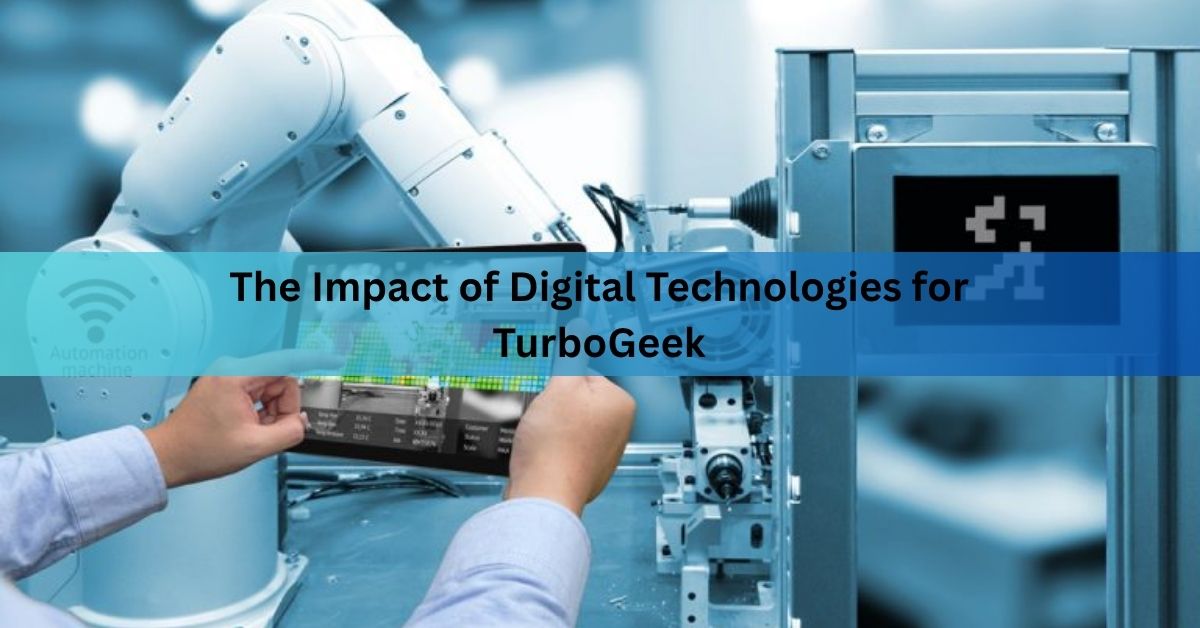
The Impact of Digital Technologies for TurboGeek
Digital technology has become one of the most powerful forces shaping the modern world. From smartphones and artificial intelligence to cloud computing and smart devices, technology is changing the way people live, work, communicate, learn, and conduct business. Today, organizations and individuals rely heavily on digital tools to improve productivity, access information, and stay connected.
The Impact of Digital Technologies for TurboGeek can be seen in nearly every aspect of society. Businesses use advanced software to improve efficiency, schools use digital platforms to enhance learning, healthcare providers use technology to improve patient care, and governments use digital systems to deliver better public services.
As technology continues to evolve, understanding its influence becomes increasingly important. This guide explores the major areas where digital technologies are making a difference, the benefits they provide, the challenges they create, and what the future may hold.
Understanding Digital Technologies
What Are Digital Technologies?
Digital technologies are electronic tools, systems, devices, and resources that create, process, store, and exchange information. These technologies convert information into digital formats that can be easily transmitted and analyzed.
Examples include:
- Computers and laptops
- Smartphones and tablets
- Artificial Intelligence (AI)
- Cloud Computing
- Internet of Things (IoT)
- Robotics
- Big Data Analytics
- Blockchain Technology
These innovations help individuals and organizations perform tasks more efficiently while improving communication and decision-making.
Why Digital Technologies Matter
In today’s competitive world, speed, accuracy, and accessibility are essential. Digital technologies provide solutions that help businesses operate more effectively and enable individuals to access information instantly.
Key benefits include:
| Benefit | Description |
| Faster Communication | Instant messaging and video conferencing |
| Better Productivity | Automation reduces manual work |
| Improved Access | Information available anytime and anywhere |
| Cost Savings | Reduced operational expenses |
| Enhanced Innovation | New products and services |
The Evolution of Digital Technologies
The Early Computing Era
Digital transformation began with the development of computers. Early computers were large, expensive, and limited in capability. However, they laid the foundation for future technological advancements.
The Internet Revolution
The introduction of the internet transformed communication and information sharing. Businesses gained access to global markets, while consumers gained access to unlimited information.
The Mobile Technology Boom
The rise of smartphones brought digital technology into people’s pockets. Mobile devices now allow users to communicate, shop, learn, and work from virtually anywhere.
The Age of Artificial Intelligence
Artificial intelligence is one of the most significant developments in modern technology. AI systems can analyze data, recognize patterns, automate tasks, and support decision-making processes.
The Impact of Digital Technologies on Daily Life
Communication and Connectivity
One of the most visible impacts of digital technology is improved communication. People can now connect with others around the world instantly through social media, messaging applications, email, and video conferencing platforms.
Families stay connected across countries, businesses collaborate globally, and information spreads faster than ever before.
Online Shopping and E-Commerce
Digital technologies have completely transformed shopping experiences. Consumers can compare products, read reviews, and make purchases without leaving their homes.
Benefits include:
- Convenience
- Time savings
- Wider product selection
- Competitive pricing
- Easy payment options
Digital Banking
Banking services are now accessible through mobile apps and online platforms. Customers can transfer funds, pay bills, monitor transactions, and manage accounts without visiting a physical branch.
Entertainment and Media
Streaming services, online gaming, digital music, and social media have changed how people consume entertainment.
Traditional media has evolved into on-demand digital experiences, giving users greater control over what they watch and listen to.
How Digital Technologies Are Transforming Businesses
Improved Operational Efficiency
Businesses use digital tools to automate repetitive tasks and streamline operations. Automation reduces errors while increasing speed and productivity.
Examples include:
- Automated inventory systems
- Customer relationship management software
- Payroll automation
- AI-powered customer support
Better Decision-Making Through Data
Modern businesses collect large amounts of information. Advanced analytics tools help organizations understand customer behavior, identify trends, and make informed decisions.
Companies can use real-time data to improve products, services, and marketing strategies.
Enhanced Customer Experience
Customers expect fast and personalized experiences. Digital technologies enable businesses to provide:
- Personalized recommendations
- Instant customer support
- Mobile-friendly services
- Faster transactions
Traditional vs Digital Business Operations
| Business Function | Traditional Method | Digital Method |
| Marketing | Newspapers & TV | Social Media & SEO |
| Customer Service | Phone Calls | Live Chat & AI |
| Sales | Physical Stores | E-Commerce Platforms |
| Collaboration | In-Person Meetings | Cloud Collaboration |
| Data Storage | Paper Files | Cloud Storage |
The Role of Artificial Intelligence in Digital Transformation
Understanding Artificial Intelligence
Artificial Intelligence refers to computer systems that can perform tasks typically requiring human intelligence.
Examples include:
- Voice assistants
- Chatbots
- Recommendation systems
- Predictive analytics
AI in Customer Service
Many companies use AI-powered chatbots to answer customer questions quickly and efficiently.
Benefits include:
- 24/7 availability
- Reduced support costs
- Faster response times
- Improved customer satisfaction
AI in Data Analysis
AI systems can analyze massive amounts of information within seconds, helping organizations identify opportunities and potential risks.
Digital Technologies in Education
Online Learning Opportunities
Technology has made education more accessible than ever before. Students can participate in online courses regardless of location.
Benefits include:
- Flexible learning schedules
- Lower education costs
- Access to global instructors
- Self-paced learning
Virtual Classrooms
Video conferencing and collaboration tools allow teachers and students to interact remotely while maintaining an engaging learning experience.
Personalized Education
AI-powered educational platforms can adapt learning materials based on individual student performance and learning styles.
The Impact of Digital Technologies on Healthcare
Telemedicine Services
Telemedicine allows patients to consult doctors remotely using digital communication tools.
Advantages include:
- Reduced travel time
- Greater accessibility
- Faster consultations
- Improved healthcare reach
Electronic Health Records
Healthcare providers use digital systems to store patient information securely.
Benefits include:
- Quick access to records
- Improved patient care
- Reduced paperwork
- Better coordination among healthcare professionals
Wearable Health Technology
Smart watches and fitness trackers help users monitor:
- Heart rate
- Sleep quality
- Physical activity
- Blood oxygen levels
These devices encourage healthier lifestyles and support preventive healthcare.
Economic Impact of Digital Technologies
Driving Economic Growth
Digital technologies contribute significantly to economic development by increasing productivity and creating new business opportunities.
Job Creation
Technology has created entirely new career paths, including:
- Data Analysts
- Software Developers
- Cybersecurity Specialists
- AI Engineers
- Digital Marketers
Global Market Expansion
Businesses can now reach customers worldwide through digital platforms, increasing revenue opportunities and market access.
Industry-Specific Impact of Digital Technologies
Manufacturing
Smart factories use automation, robotics, and sensors to improve production efficiency and reduce waste.
Retail
Retailers use digital platforms to enhance customer experiences and manage inventory more effectively.
Banking and Finance
Financial institutions use technology for:
- Mobile banking
- Fraud detection
- Digital payments
- Automated investment services
Agriculture
Farmers use smart sensors, drones, and data analytics to improve crop yields and resource management.
Advantages of Digital Technologies
Digital technologies offer numerous benefits for individuals and organizations.
Major advantages include:
- Increased productivity
- Improved communication
- Greater accessibility
- Better decision-making
- Enhanced customer experiences
- Lower operating costs
- Faster innovation
- Global connectivity
These benefits help organizations remain competitive while improving quality of life for consumers.
Challenges and Risks of Digital Technologies
Cybersecurity Threats
As digital adoption increases, cyberattacks become more common.
Common threats include:
- Phishing attacks
- Malware
- Ransomware
- Identity theft
- Data breaches
Privacy Concerns
Organizations collect large amounts of personal information. Proper data protection is essential to maintain user trust.
Digital Divide
Not everyone has equal access to technology and internet services. This gap can create inequalities in education, employment, and economic opportunities.
Job Displacement
Automation can replace certain repetitive tasks, requiring workers to learn new skills and adapt to changing job markets.
Cybersecurity in the Digital Age
Why Cybersecurity Is Important
Cybersecurity protects digital systems, networks, and information from unauthorized access and attacks.
Organizations invest heavily in cybersecurity because data breaches can cause:
- Financial losses
- Reputation damage
- Legal issues
- Operational disruptions
Best Cybersecurity Practices
Organizations and individuals should:
- Use strong passwords
- Enable multi-factor authentication
- Update software regularly
- Educate employees about cyber threats
- Backup important data
Environmental Impact of Digital Technologies
Positive Environmental Effects
Technology can support sustainability efforts through:
- Smart energy management
- Digital documentation
- Remote work solutions
- Efficient transportation systems
Environmental Challenges
Despite many benefits, digital technologies also contribute to:
- Electronic waste
- Energy consumption
- Resource extraction
Organizations are increasingly investing in green technologies to reduce environmental impacts.
Future Trends in Digital Technologies
Artificial Intelligence Expansion
AI will continue transforming industries through automation and intelligent decision-making.
Quantum Computing
Quantum computing has the potential to solve complex problems much faster than traditional computers.
Smart Cities
Future cities will use connected technologies to improve transportation, energy management, and public services.
Virtual and Augmented Reality
These technologies are creating immersive experiences for education, healthcare, gaming, and business applications.
5G and Advanced Connectivity
Faster networks will support new innovations and improve digital experiences worldwide.
How Individuals Can Adapt to Digital Transformation
To succeed in a digital world, individuals should focus on developing essential digital skills.
Important steps include:
- Learning new technologies
- Improving cybersecurity awareness
- Taking online courses
- Staying informed about industry trends
- Building technical and analytical skills
Continuous learning will remain critical as technology evolves.
How Businesses Can Successfully Implement Digital Technologies
Develop a Clear Strategy
Organizations should identify goals before investing in technology solutions.
Invest in Employee Training
Technology adoption is most successful when employees understand how to use new systems effectively.
Monitor Performance
Businesses should track key performance indicators to measure the success of digital initiatives.
Digital Transformation Checklist
| Step | Purpose |
| Assess Current Systems | Identify gaps |
| Define Goals | Establish objectives |
| Choose Technologies | Select suitable tools |
| Train Employees | Improve adoption |
| Measure Results | Evaluate success |
| Optimize Processes | Continuous improvement |
Real-World Examples of Digital Transformation
E-Commerce Success
Online retailers have transformed shopping by offering personalized recommendations and fast delivery options.
Healthcare Innovation
Hospitals use AI and digital records to improve diagnosis accuracy and patient care.
Educational Transformation
Schools and universities provide online learning opportunities that increase accessibility and flexibility.
Manufacturing Automation
Factories use robotics and smart systems to improve productivity while reducing costs.
Frequently Asked Questions
1. How do digital technologies influence workplace culture?
Digital technologies encourage remote work, collaboration, flexibility, and faster communication, creating more connected and productive workplaces.
2. Can small businesses benefit from digital transformation?
Yes. Small businesses can improve efficiency, reduce costs, reach wider audiences, and compete more effectively through digital tools and online platforms.
3. What role does cloud computing play in digital transformation?
Cloud computing allows organizations to store data, access applications remotely, scale operations, and reduce infrastructure costs.
4. How do digital technologies support innovation?
They provide access to data, automation, advanced analytics, and collaboration tools that help businesses create new products and services.
5. Why is digital literacy important in today’s world?
Digital literacy helps individuals use technology effectively, protect themselves online, and adapt to modern educational and workplace environments.
Conclusion
The Impact of Digital Technologies for TurboGeek is evident across every sector of modern society. Digital innovations have transformed communication, education, healthcare, business operations, entertainment, and economic development. Organizations benefit from increased efficiency, improved decision-making, and enhanced customer experiences, while individuals enjoy greater convenience, connectivity, and access to information.
Although challenges such as cybersecurity risks, privacy concerns, and the digital divide remain important issues, the overall benefits of digital technologies continue to drive global progress. As emerging technologies like artificial intelligence, quantum computing, smart cities, and advanced connectivity continue to evolve, digital transformation will play an even greater role in shaping the future. Embracing these changes responsibly will help individuals, businesses, and societies thrive in the digital age.
- The Impact of Digital Technologies for TurboGeek
- Industrial Automation Computer by TurboGeek: The Complete Guide to Smart Manufacturing and Industry 4.0
- K-12 Tech Innovation News Archives TurboGeek.org
- Strategic Technology Services TurboGeek.org: Complete Guide to Modern Business Technology Solutions
- Intelligent Tech Solutions by TurboGeek.org